How Asia-Pacific Events Move the Forex Market Overnight
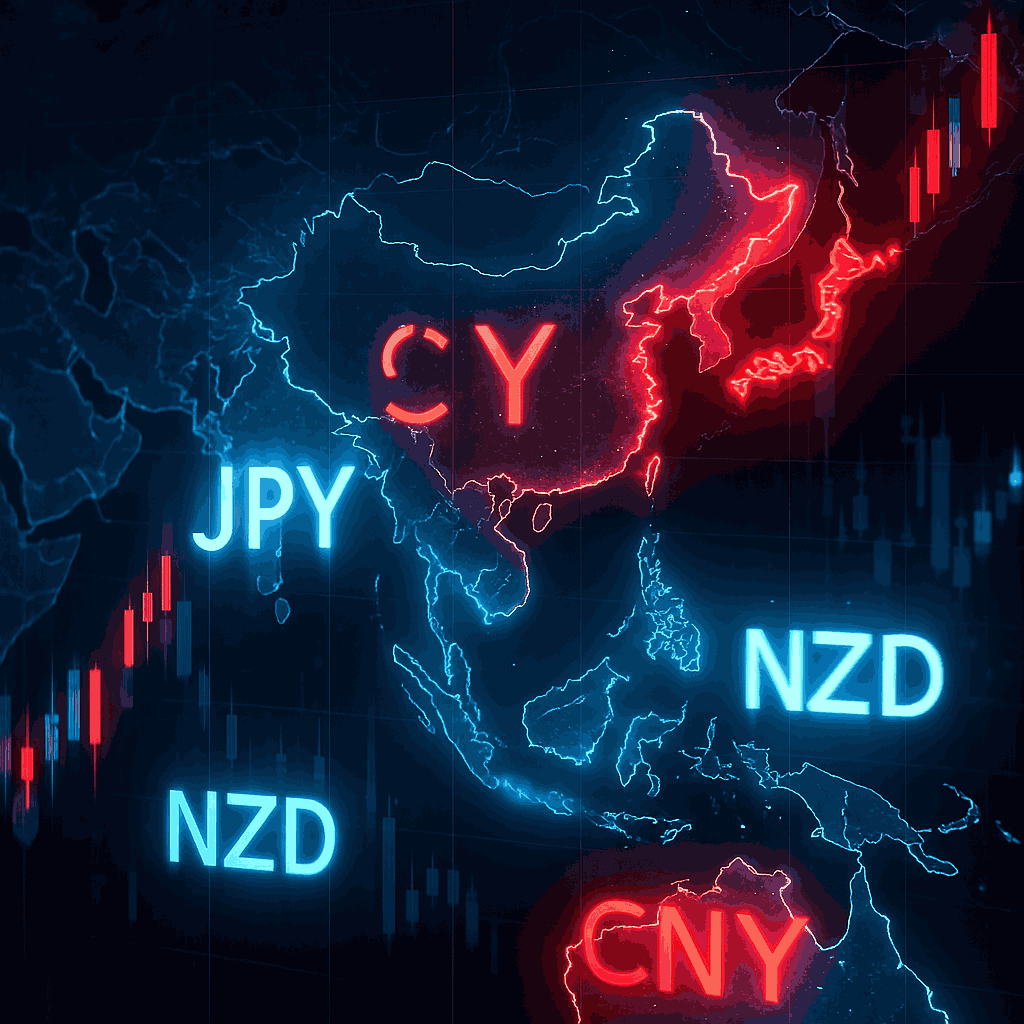
Introduction Asia-Pacific events traders know that while many focus on the high-volatility overlap between London and New York, some of the most unexpected market moves happen overnight especially during the Asia-Pacific (APAC) trading session. From surprise interest rate decisions to Chinese data drops and geopolitical headlines in the Pacific Rim, the APAC region plays a … Read more
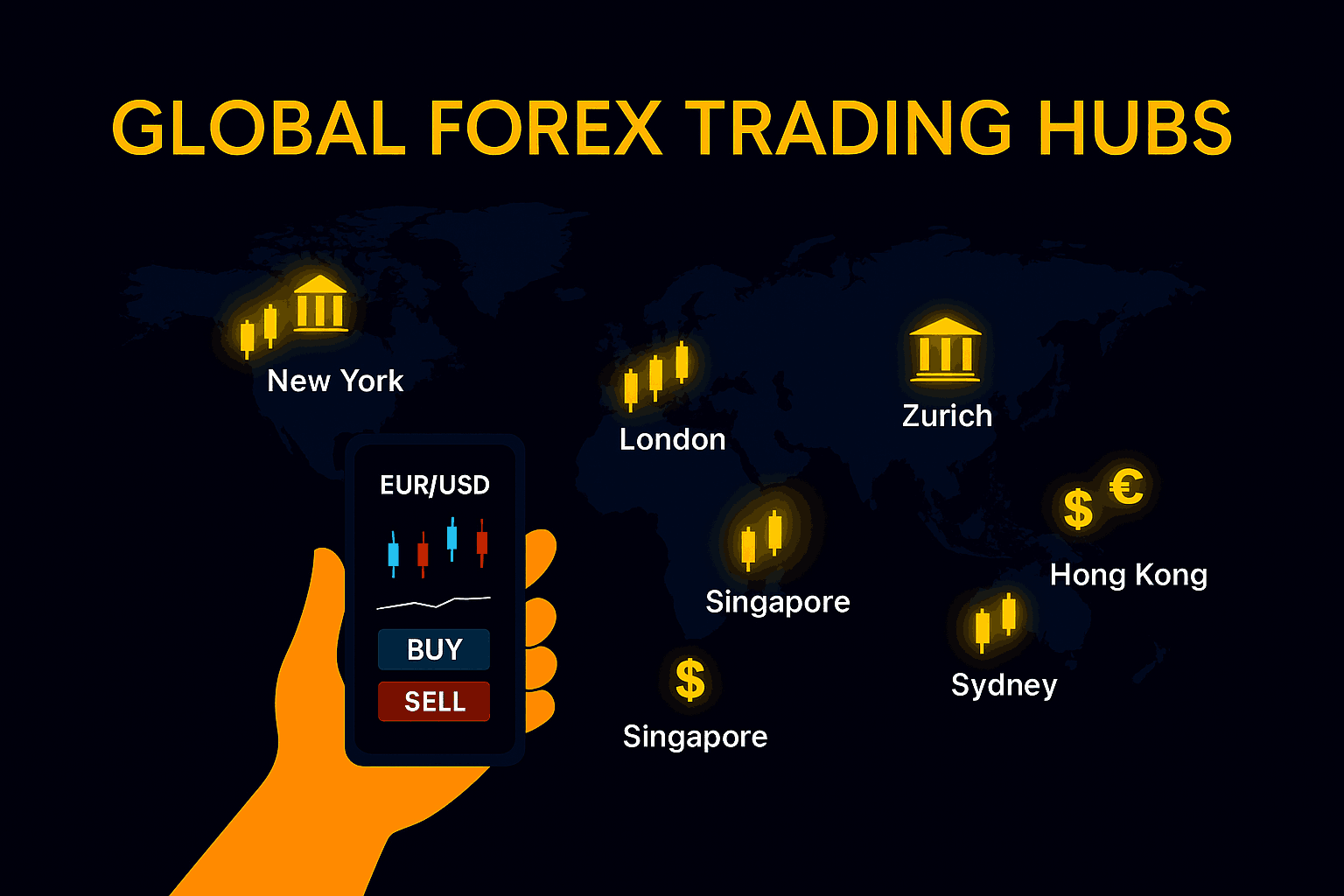
Top Forex Trading Hubs Across the Globe

Introduction Forex trading is the most liquid and decentralized financial market on Earth, but that doesn’t mean activity is spread evenly across the globe. In fact, the top forex trading hubs across the globe dominate the space, acting as financial nerve centers where trillions of dollars change hands daily. These forex trading hubs serve as … Read more

Rate Hike Cycles: How to Adapt Your Trading Strategy

Introduction Central banks don’t raise or cut interest rates in isolation they do it in cycles. These rate hike (and cut) cycles shape global capital flows, shift risk sentiment, and dramatically influence currency valuations. For forex traders, adapting to these cycles isn’t optional it’s essential. If you’re not evolving your strategy based on where we … Read more

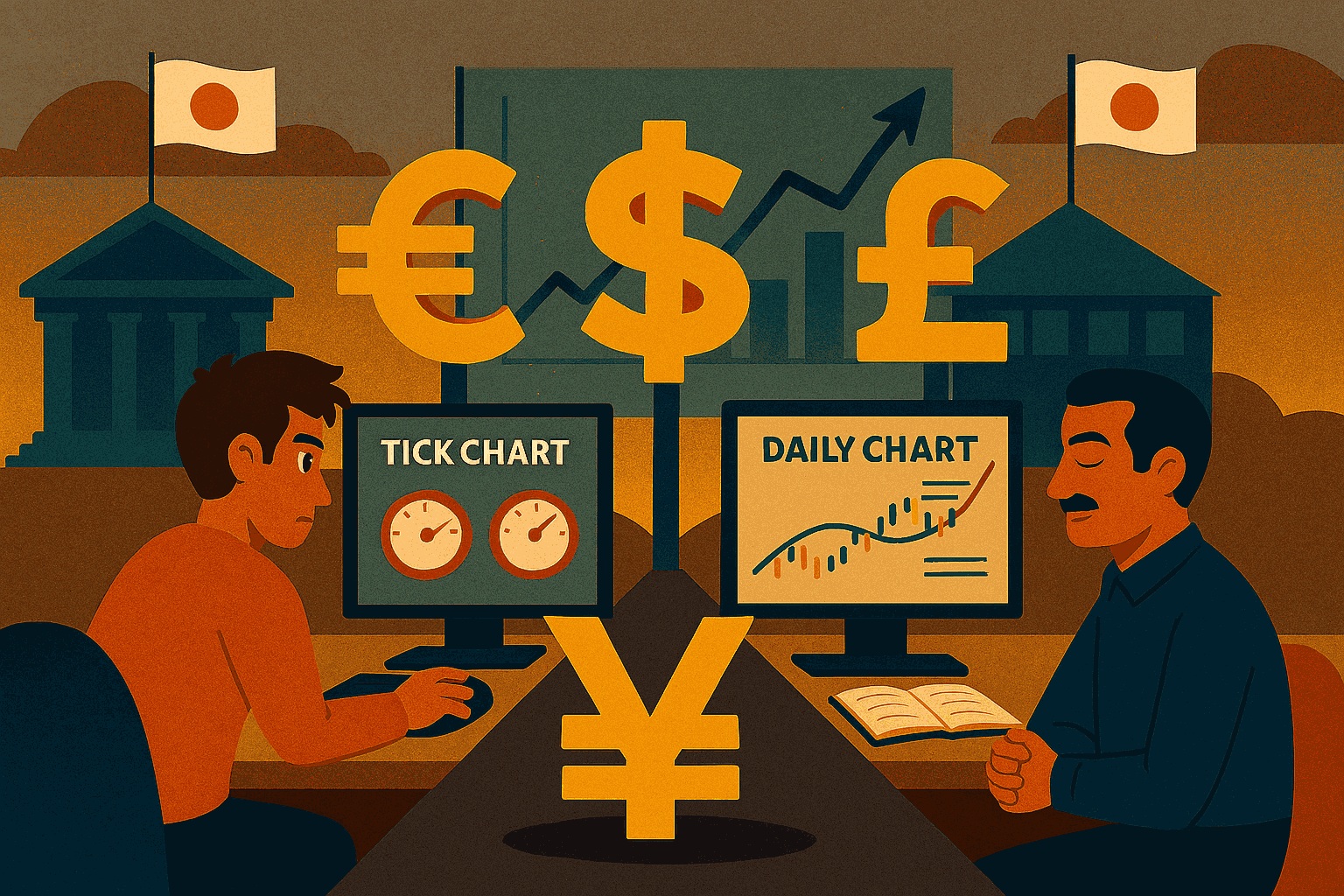
BOJ Policy Outlook: Will the Yen Stay Weak?

Introduction The Bank of Japan (BOJ) has long stood apart from its global peers with its ultra-loose monetary policy. Even as the Fed, ECB, and Bank of England raced to hike rates in response to inflation, the BOJ stuck to near-zero interest rates and aggressive bond buying. The result? A historically weak Japanese Yen (JPY) … Read more

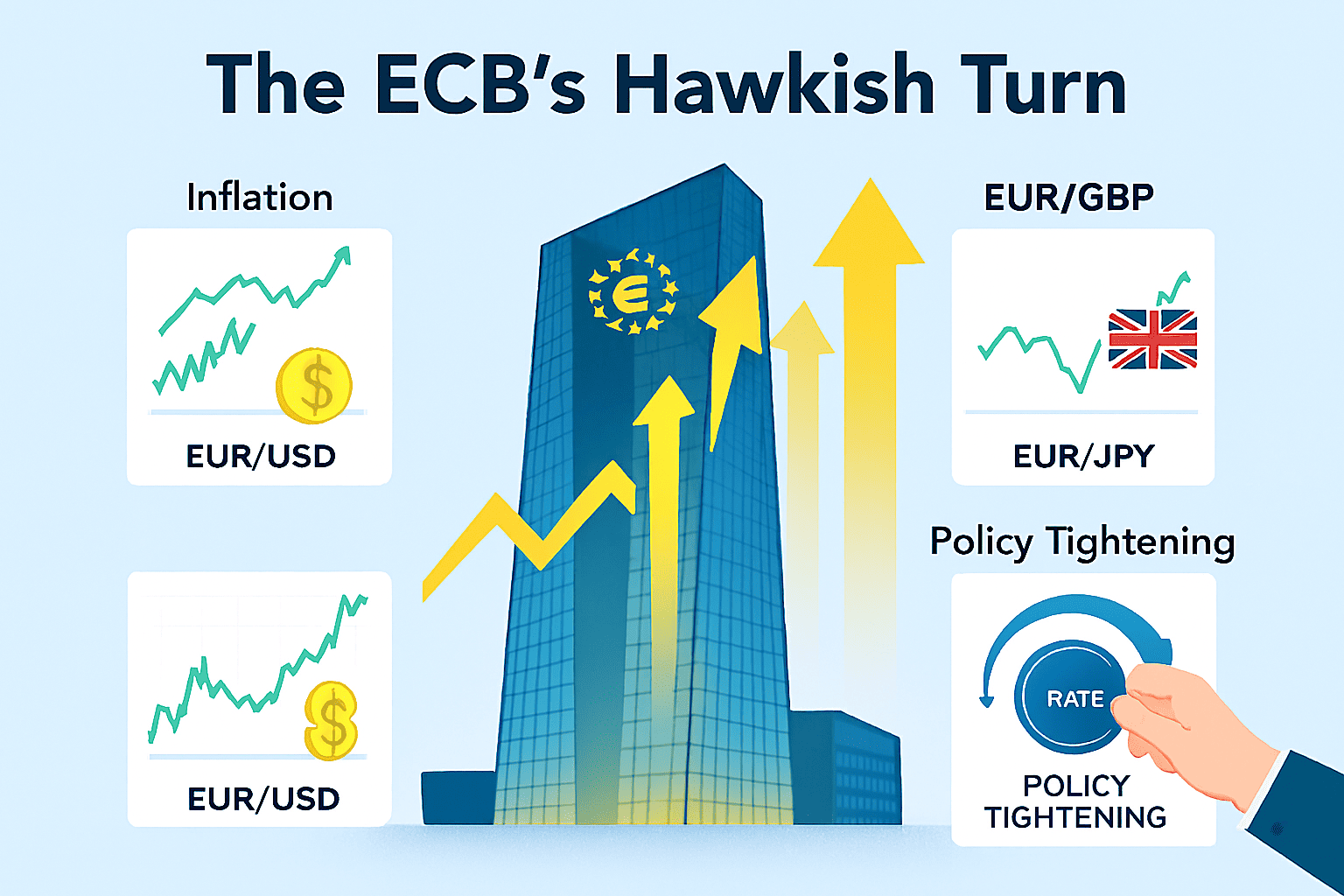
The ECB’s Hawkish Turn: What It Means for Euro Pairs

Introduction For years, the European Central Bank (ECB) was known for ultra-loose monetary policy low rates, asset purchases, and a generally dovish tone. But that narrative shifted sharply in the post-pandemic world. With inflation gripping the Eurozone and the ECB finally recognizing the need for action, we’ve seen a rare but aggressive hawkish turn. So, … Read more

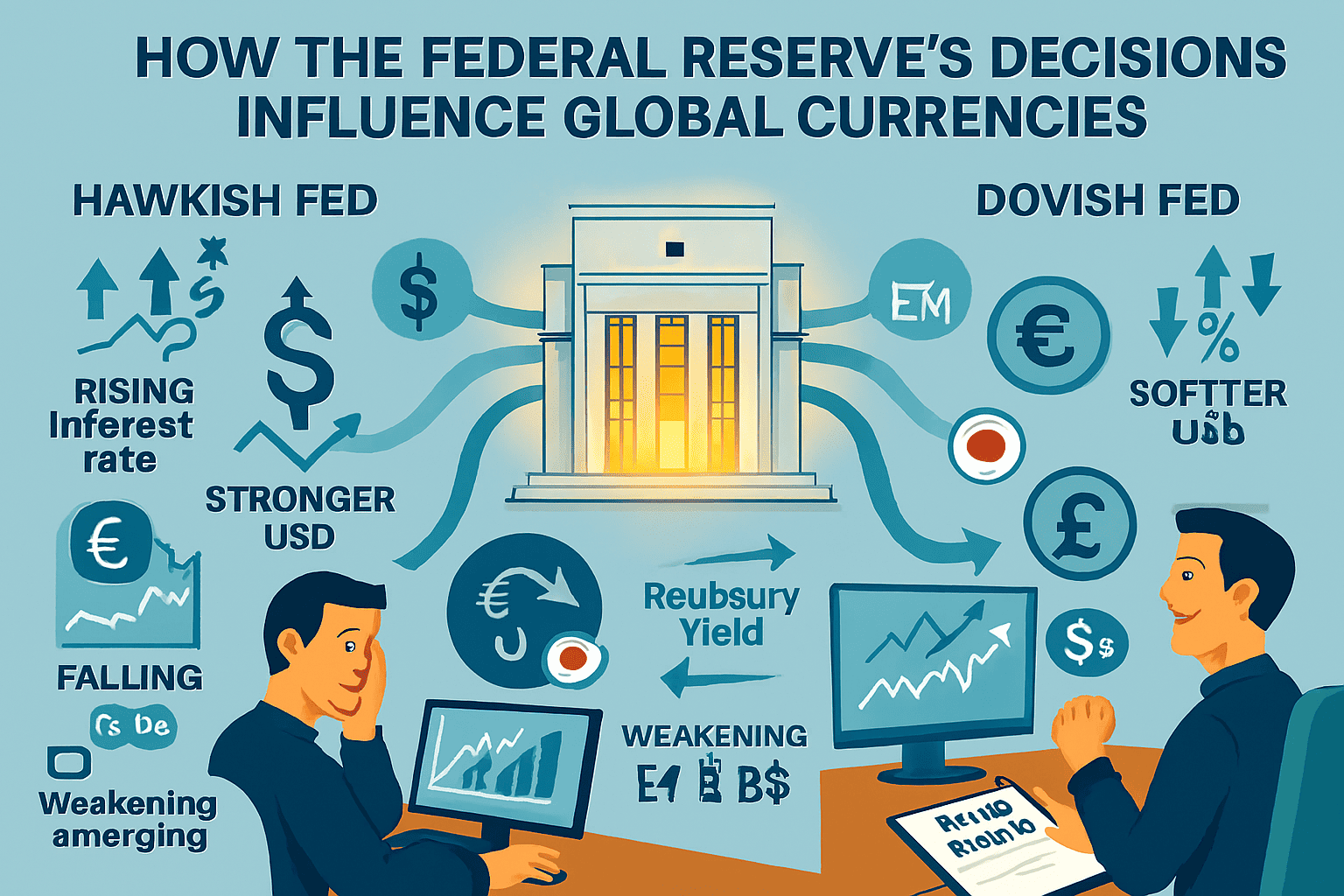
How the Federal Reserve’s Decisions Influence Global Currencies

Introduction No institution wields more influence over the global forex market than the U.S. Federal Reserve. Its policy decisions especially on interest rates can reshape currency trends, move stock and bond markets, and ripple through every major economy in the world. Whether you’re trading EUR/USD, USD/JPY, or even emerging market pairs like USD/ZAR or USD/INR, … Read more

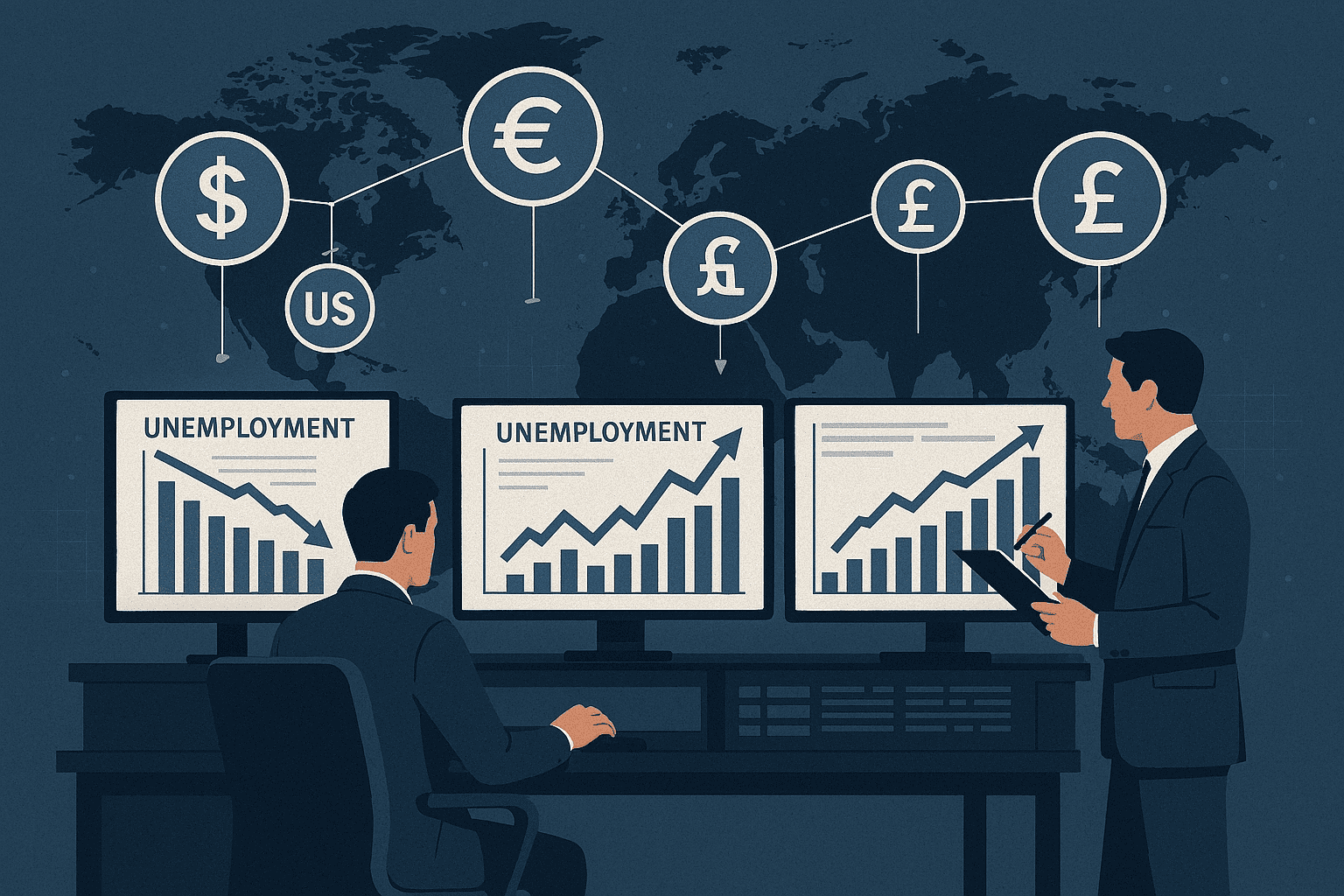
Global Unemployment Trends and Their FX Impact

Introduction While traders often focus on inflation or central bank policy, one of the most quietly influential metrics in the macroeconomic puzzle is unemployment. Shifts in global employment trends directly shape economic strength, consumer spending, and ultimately currency value. In 2025, with uneven post-pandemic recoveries and structural changes across labor markets, unemployment data is once … Read more

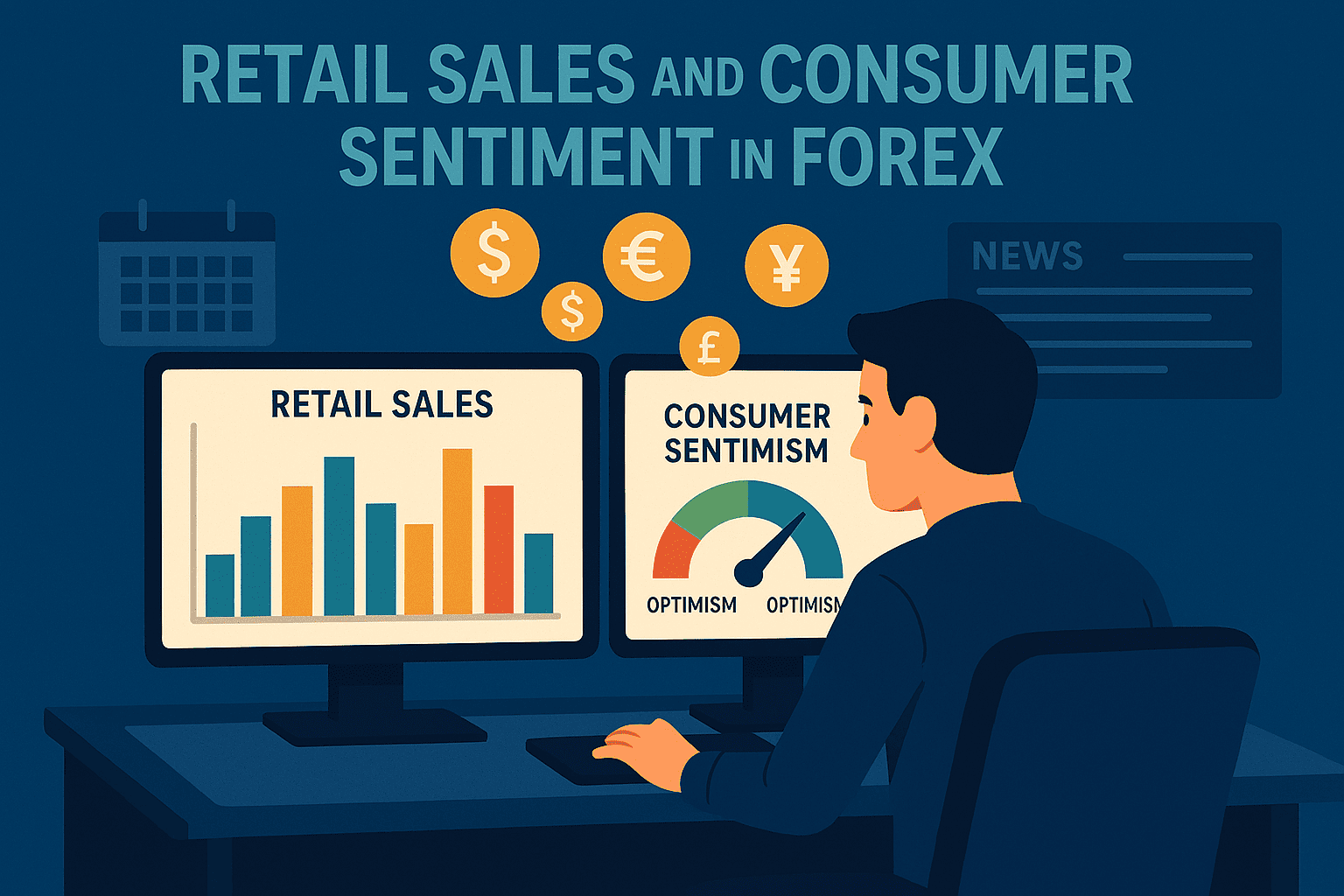
Retail Sales and Consumer Sentiment: A Currency Driver?

Introduction When traders think of major forex movers, they usually focus on interest rate decisions, inflation, or jobs data. But there’s another key player in the macro mix: Retail Sales and Consumer Sentiment. These two indicators offer a pulse on consumer behaviour the engine that drives most modern economies. So, are they powerful enough to … Read more

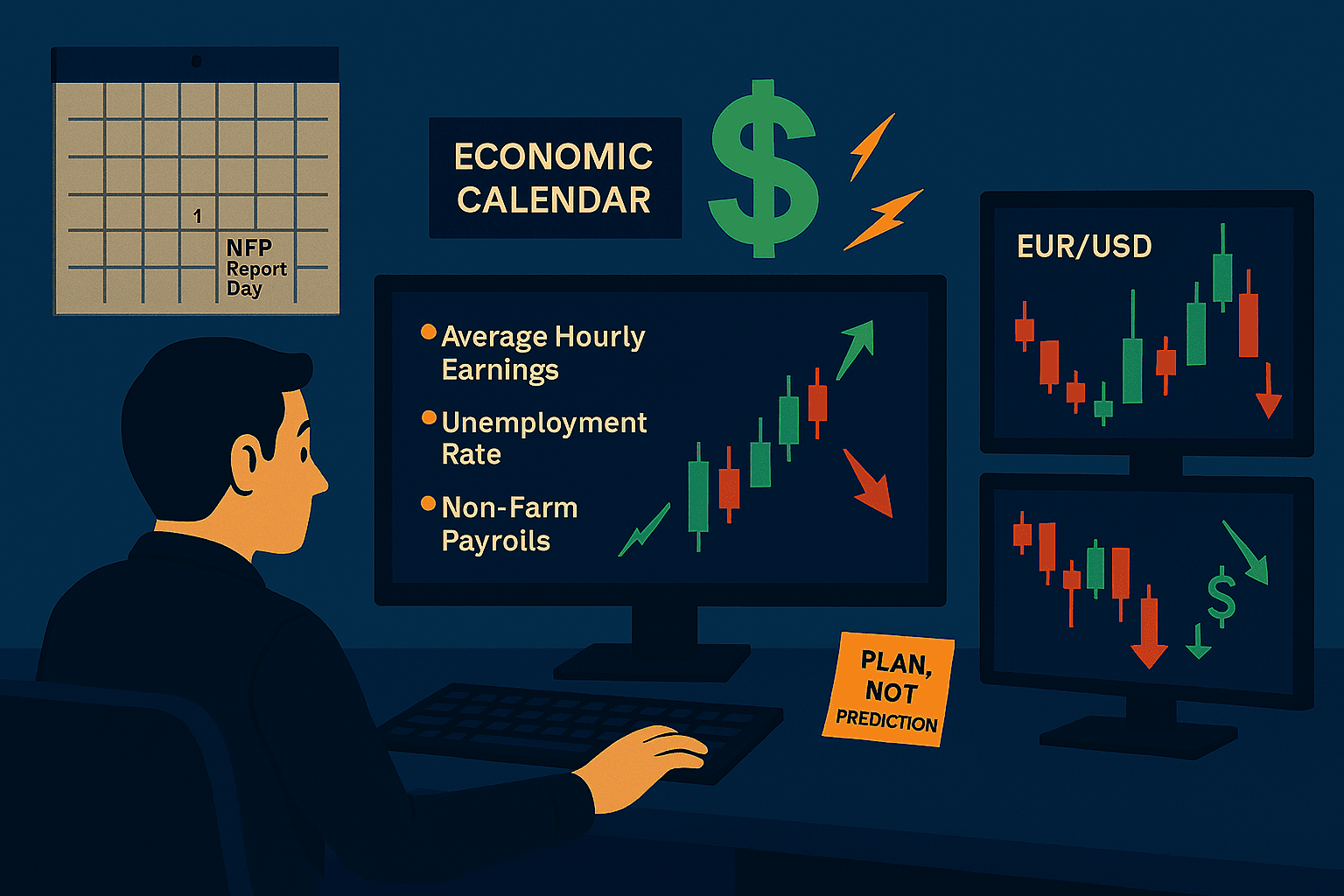
Why NFP Data Still Dominates Forex Trading Strategies

Introduction Every first Friday of the month, the forex market holds its breath. That’s when the U.S. Non-Farm Payrolls (NFP) report drops a single data release that can send shockwaves across all major currency pairs, especially anything tied to the U.S. Dollar. Even in 2025, when AI bots, algorithmic trading, and machine learning dominate headlines, … Read more

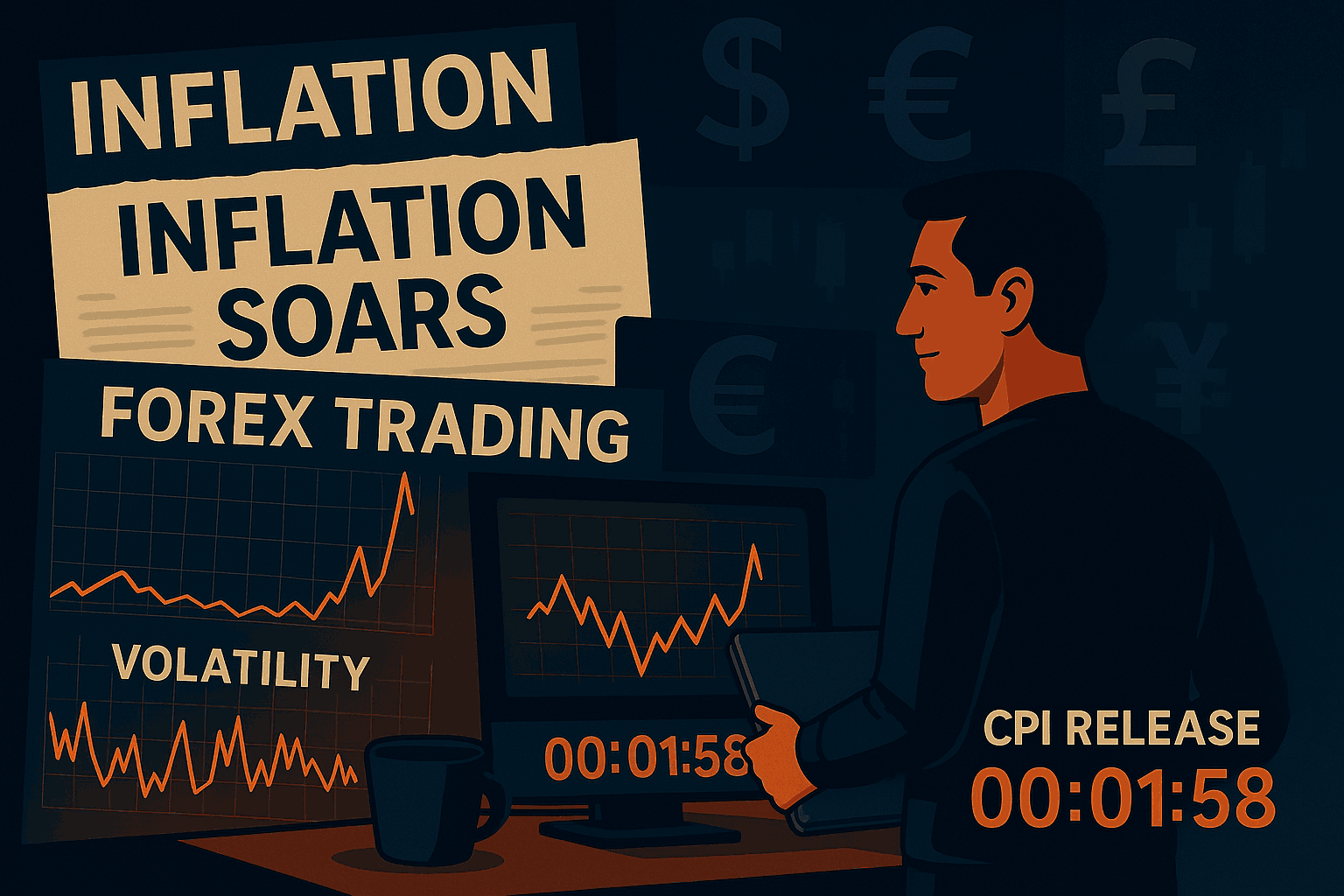
How Inflation Reports Drive Forex Volatility

Introduction If there’s one economic report that forex traders can’t afford to ignore, it’s inflation data. Releases like the Consumer Price Index (CPI) or Producer Price Index (PPI) can send shockwaves through currency markets, triggering large moves in a matter of minutes. Why? Because inflation data directly influences central bank decisions and central banks move … Read more