Introduction
Asia-Pacific events traders know that while many focus on the high-volatility overlap between London and New York, some of the most unexpected market moves happen overnight especially during the Asia-Pacific (APAC) trading session.
From surprise interest rate decisions to Chinese data drops and geopolitical headlines in the Pacific Rim, the APAC region plays a critical early role in global FX flows. These events often set the tone for the day ahead, and savvy traders who understand them can catch big moves before most of the world wakes up.
Let’s explore how Asia-Pacific events influence the forex market overnight and how you can trade them effectively.
1. The Asia-Pacific Session: When and Where
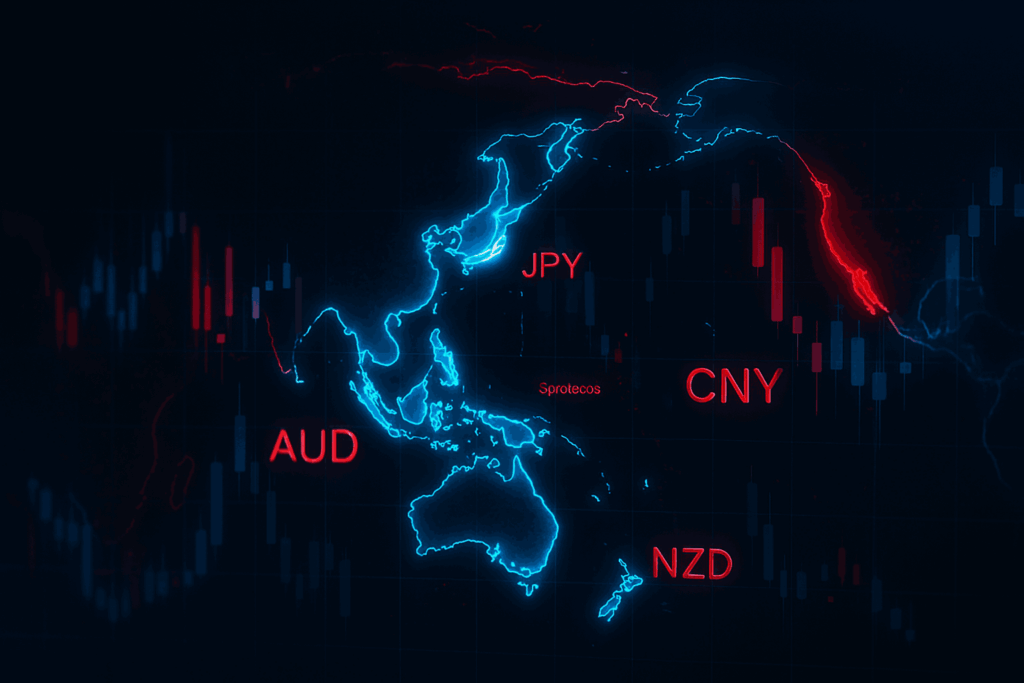
🔹 Time (GMT): 00:00 to 09:00
🔹 Key Markets: Tokyo, Sydney, Singapore, Hong Kong
🔹 Major Currencies Traded:
- JPY (Japanese Yen)
- AUD (Australian Dollar)
- NZD (New Zealand Dollar)
- CNY/CNH (Chinese Yuan)
- SGD, HKD, and other APAC pairs
While this session is generally less volatile than the London or U.S. sessions, it sets the directional bias and often produces stealth moves based on regional developments.
🧭 Pro tip: If you’re a swing trader or Asian time zone scalper, this session is gold.
2. Key Asia-Pacific Events That Move Markets
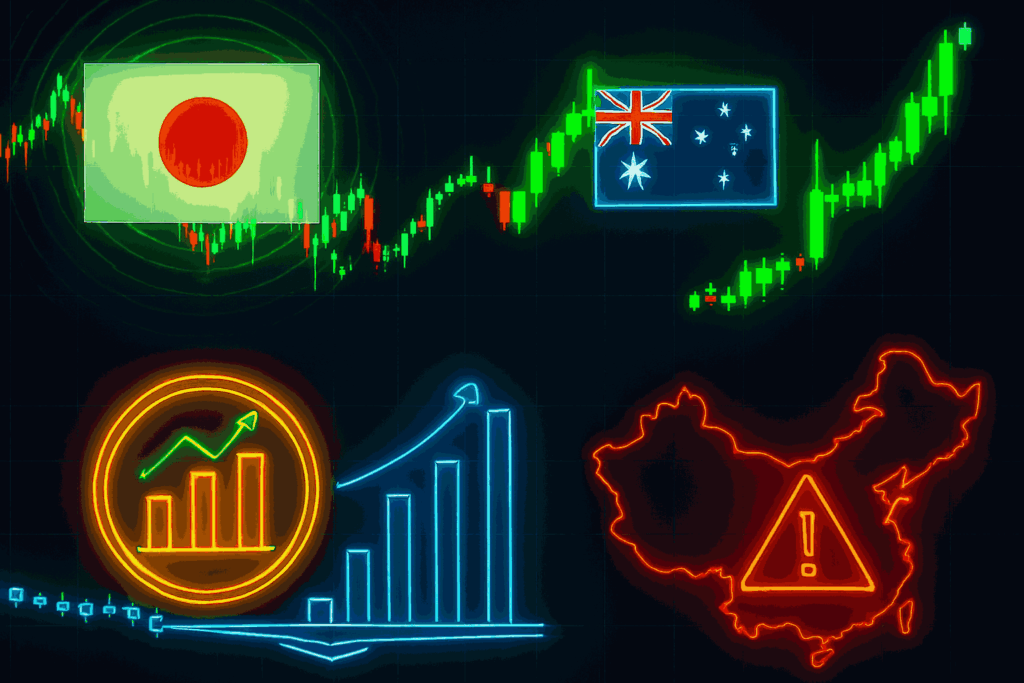
🇯🇵 Bank of Japan (BOJ) Policy Decisions
- Occur around 03:00–04:00 GMT
- Often followed by a press conference that shakes JPY pairs
- BOJ surprises (especially tweaks to yield curve control) have triggered multi-hundred pip moves
🇦🇺 RBA Interest Rate Announcements
- Usually scheduled for the first Tuesday of the month
- Affects AUD/USD, AUD/JPY, and regional sentiment
- Rate hikes/cuts or tone changes can drive AUD pairs strongly during otherwise quiet hours
🇳🇿 RBNZ Rate Decisions and Statements
- Strong impact on NZD/USD and AUD/NZD
- The RBNZ tends to speak boldly surprise hikes or dovish reversals can catch markets off guard
🇨🇳 Chinese Economic Data Drops
- Key releases include GDP, CPI, PMI, and Trade Balance
- Timing: Typically released at 01:30–03:00 GMT
- These numbers don’t just move CNY/CNH, but also impact AUD, NZD, and global risk sentiment
🧠 Reminder: China is Australia and New Zealand’s largest trade partner. Bad China data = weak AUD/NZD.
3. Geopolitical Triggers in the Asia-Pacific
- North Korea missile tests or tensions with South Korea often spark sharp JPY volatility (as JPY is a safe haven).
- Taiwan Strait tensions or headlines involving U.S.-China relations can lead to risk-off moves in JPY, CHF, and gold.
- Political unrest (e.g. in Hong Kong or Southeast Asia) can temporarily move HKD, SGD, or spill over into broader risk sentiment.
⚠️ Stay alert during weekend gaps Asia often reacts first to geopolitical developments that happen during off-hours.
4. Market Psychology: Why These Moves Matter
- During the Asia session, liquidity is lower, especially in USD and EUR pairs.
- This lower liquidity means smaller orders can move the market more, exaggerating reactions to economic releases or surprise headlines.
- Many institutions use the APAC session to position for the London open, meaning directional plays that start here can extend through the day.
5. Smart Strategies for Trading Asia-Pacific Events
✅ 1. Follow the Economic Calendar Religiously
- Know when BOJ, RBA, RBNZ decisions and Chinese data drops are coming.
- Don’t be surprised prepare for volatility, especially if expectations are unclear.
✅ 2. Trade the Initial Reaction Fade
- If a release causes a huge spike (especially on low liquidity), consider fading overreactions unless supported by strong fundamentals.
- Watch for support/resistance re-tests after spikes.
✅ 3. Use Tokyo Range Breakouts
- Many scalpers mark the Tokyo session range and trade the breakout during London open if sentiment continues.
✅ 4. Trade Asia-Driven Sentiment Into London
- If China releases weak trade data and AUD drops in Asia, the London session often continues the move if macro themes align.
- Use overnight moves to frame continuation or reversal trades.
6. Real Example: AUD Flash Crash in January 2019
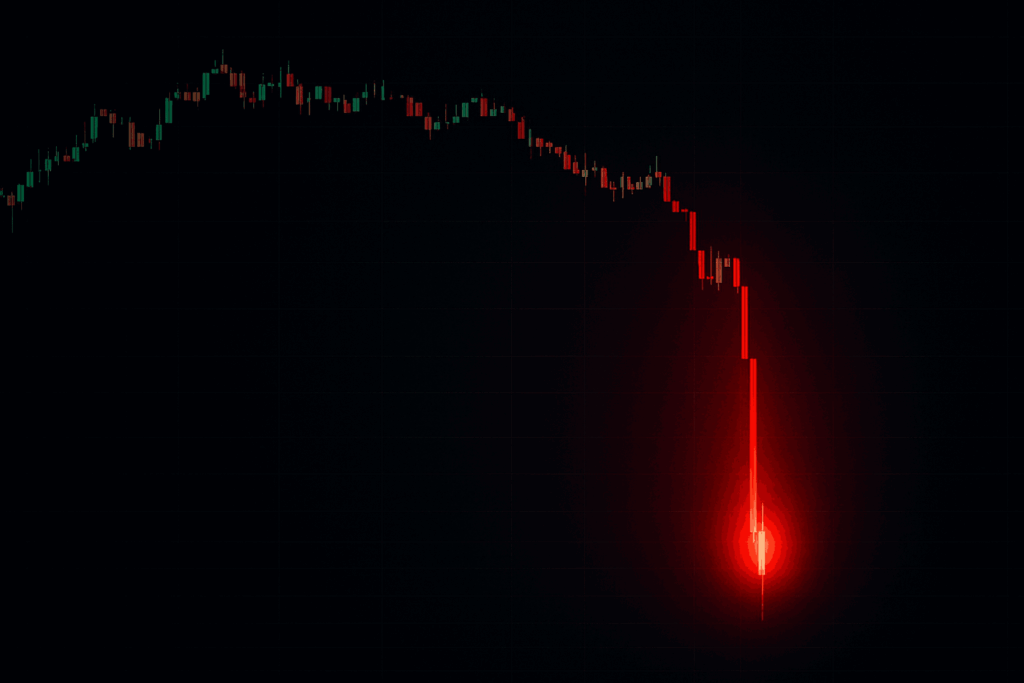
- Thin liquidity + Apple’s earnings warning + China slowdown fears
= AUD/USD fell nearly 400 pips in minutes during the Sydney/Tokyo handover. - Traders caught off guard without stops were liquidated.
🎯 Lesson: Even “calm” Asia-Pacific hours can produce major moves if catalysts align with thin market depth.
Final Thoughts

Don’t underestimate the Asia-Pacific session. It may be quieter on average, but it plays a vital role in setting daily forex momentum. From central bank surprises to China-driven shocks, APAC developments often give traders a head start if you know what to look for.
🌏 Pro Tip: Build your overnight strategy like a sniper target high-impact events, know your currencies, and manage risk aggressively.