Introduction
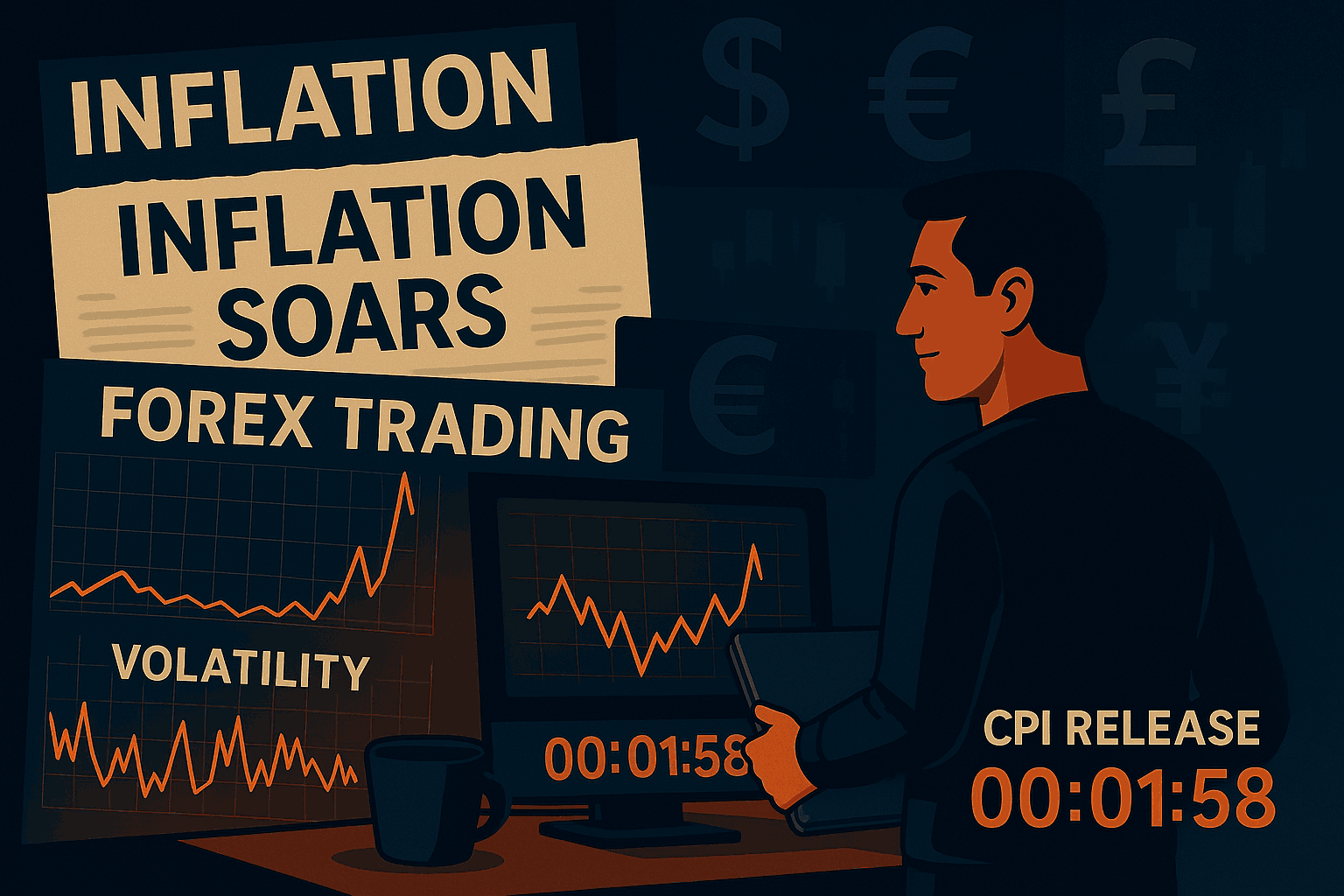
If there’s one economic report that forex traders can’t afford to ignore, it’s inflation data. Releases like the Consumer Price Index (CPI) or Producer Price Index (PPI) can send shockwaves through currency markets, triggering large moves in a matter of minutes.
Why? Because inflation data directly influences central bank decisions and central banks move markets.
In this article, we’ll break down how inflation reports impact forex volatility, what to watch in key releases, and how traders can turn this high-impact data into high-probability setups.
1. Why Inflation Matters to Forex Traders
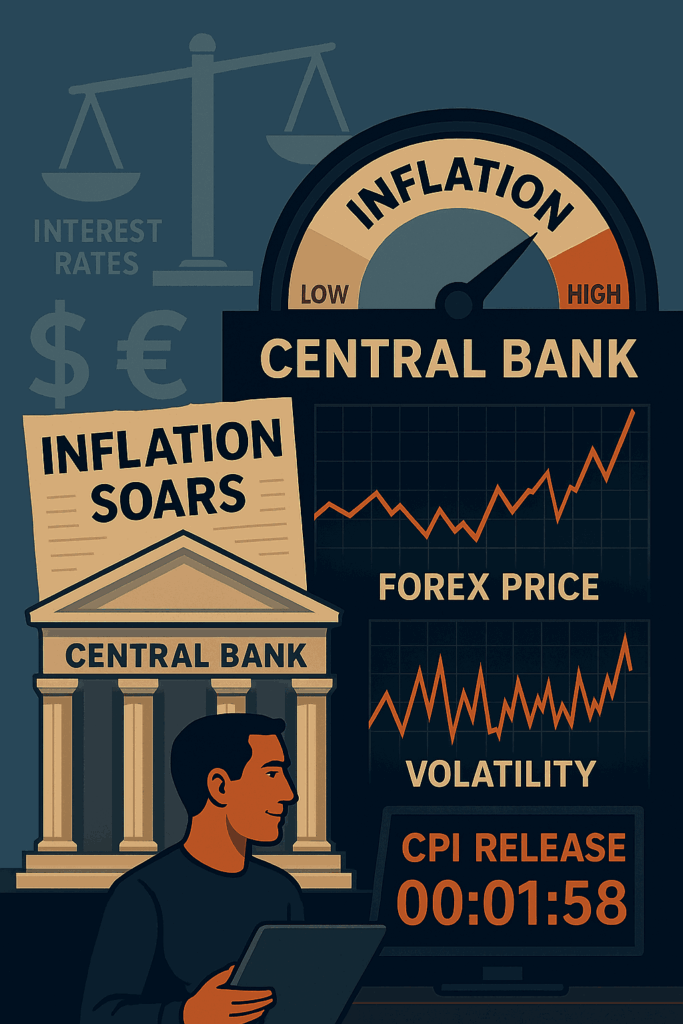
Inflation measures how fast prices are rising in an economy. Central banks like the Federal Reserve, European Central Bank, or Bank of England are mandated to control inflation typically targeting around 2%.
If inflation is too high, central banks may hike interest rates to slow spending. If it’s too low, they may cut rates to stimulate demand.
📊 Interest rate expectations are the single most powerful driver of currency strength or weakness. And inflation shapes those expectations.
So when inflation surprises to the upside or downside, traders quickly adjust their expectations causing big currency moves.
2. Key Inflation Reports to Watch
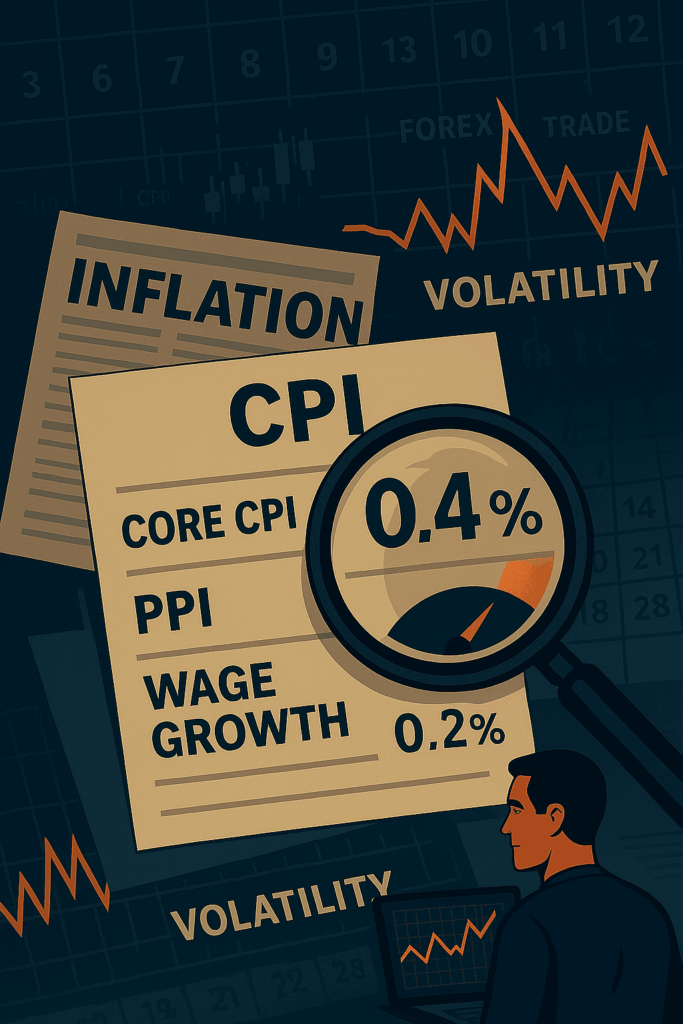
Here are the most market-moving inflation data points:
- CPI (Consumer Price Index) – Measures consumer-level inflation. High CPI = hawkish expectations.
- Core CPI – Excludes food and energy, often viewed as a cleaner signal of underlying inflation.
- PPI (Producer Price Index) – Tracks input costs for producers. Can lead CPI trends.
- Wage Inflation – Often embedded in employment reports. Rising wages = sticky inflation.
🔍 Example: A hot U.S. CPI print has historically led to strong USD rallies, especially if the Fed is in a data-dependent mode.
Follow release schedules on reliable platforms like Forex Factory or Investing.com.
3. How Inflation Impacts Major Currencies
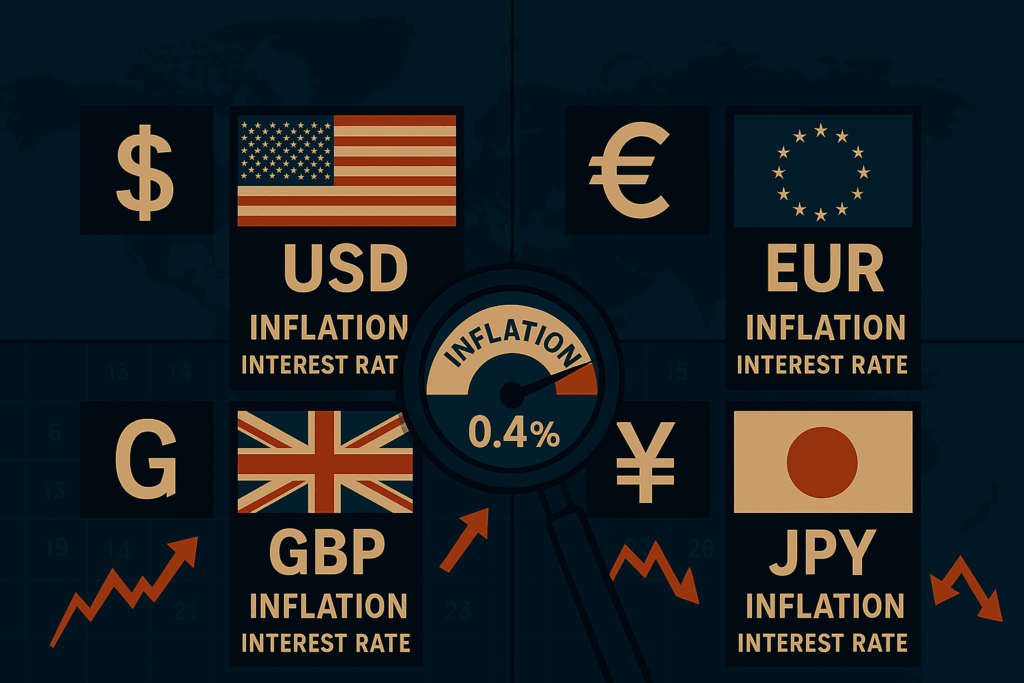
🇺🇸 USD (US Dollar)
- Hot inflation = Stronger USD, as markets price in more Fed hikes or slower cuts.
- Soft inflation = Weaker USD, especially if it signals disinflation or economic slowdown.
🇪🇺 EUR (Euro)
- Euro reacts sharply to Eurozone and German CPI. ECB policy has shifted from ultra-dovish to cautious, so CPI surprises matter more than ever.
🇬🇧 GBP (British Pound)
- The Bank of England is sensitive to wage-driven inflation. Hot CPI = hawkish tone = GBP strength.
🇯🇵 JPY (Japanese Yen)
- Historically weak reaction to inflation (due to BoJ’s ultra-loose stance), but that’s changing. Any sign of Japanese inflation sticking can now lift the yen.
🧠 Tip: Always compare inflation expectations to actual figures. It’s the surprise, not just the number, that drives volatility.
4. Volatility Patterns Around Inflation Releases
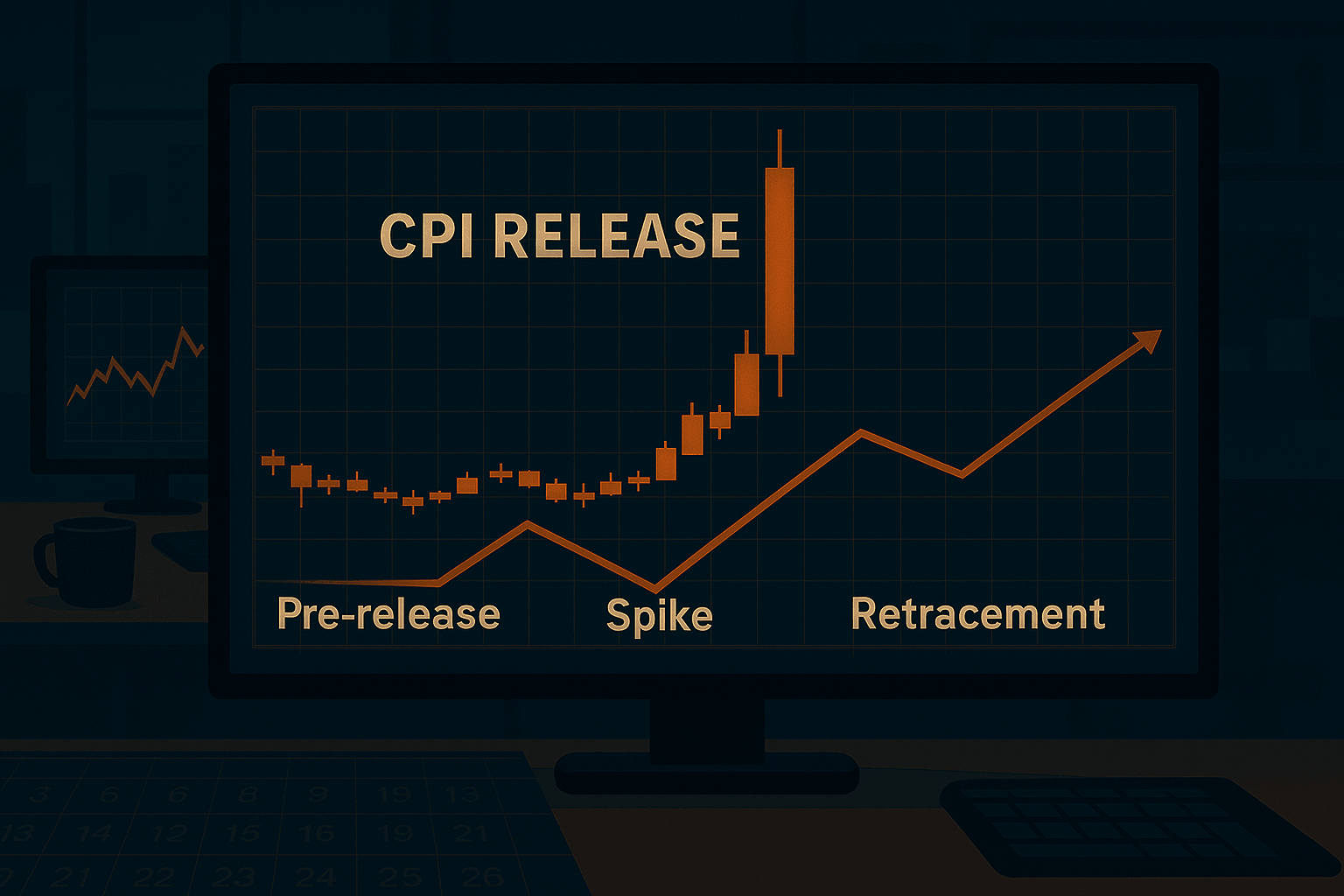
- Before Release: Market often consolidates or moves slowly. Liquidity dries up. Spreads may widen.
- At Release (First 1–5 Minutes): Explosive moves. Algorithms react within milliseconds. Retail traders should avoid jumping in blindly.
- Post-Release (15–60 Minutes): Retracement or continuation, depending on alignment with trend and sentiment.
- Next Session: Market digests data in context of upcoming events (central bank speeches, other data).
⚠️ Avoid overleveraging or trading without a plan during CPI releases it’s a classic rookie mistake.
5. Trading Strategies Around Inflation Data
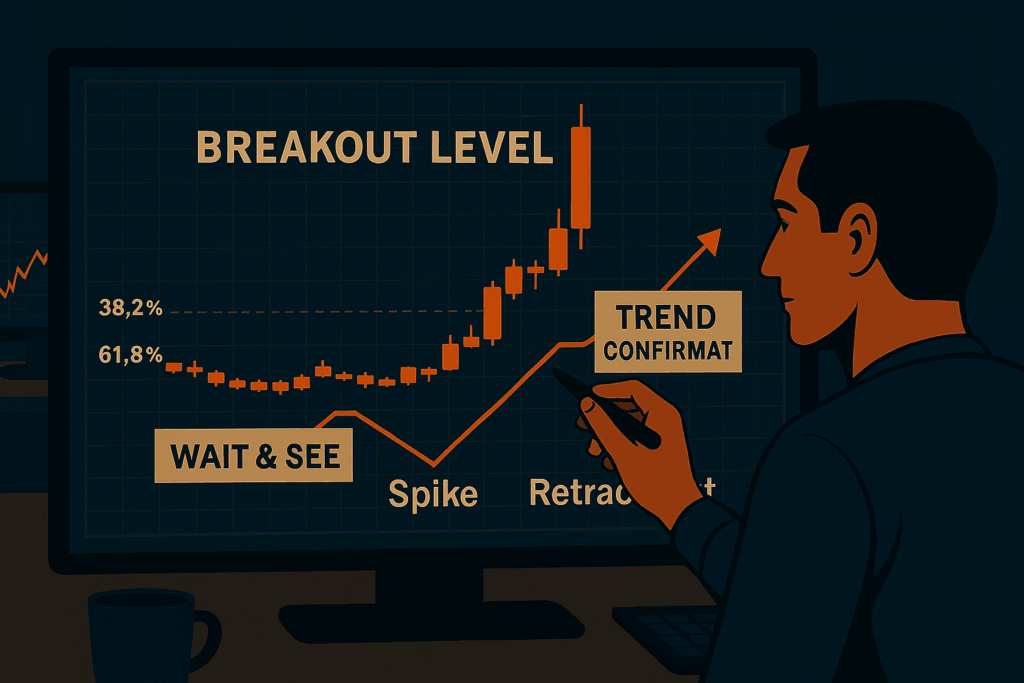
✅ 1. Wait-and-See Breakout Strategy
- Identify key levels before the release.
- Let the market digest the news for 5–15 minutes.
- Enter on breakouts with confirmed direction and reduced volatility.
✅ 2. Fade the Spike
- Useful when data deviates slightly but price overreacts.
- Look for a sharp move followed by exhaustion enter against the spike with tight stops.
✅ 3. Trend Confirmation
- When inflation confirms the direction of an existing trend, consider adding to your position on pullbacks.
- Combine with technicals like Fibonacci retracements, moving averages, or price structure.
6. Case Study: USD Reaction to Surprise CPI
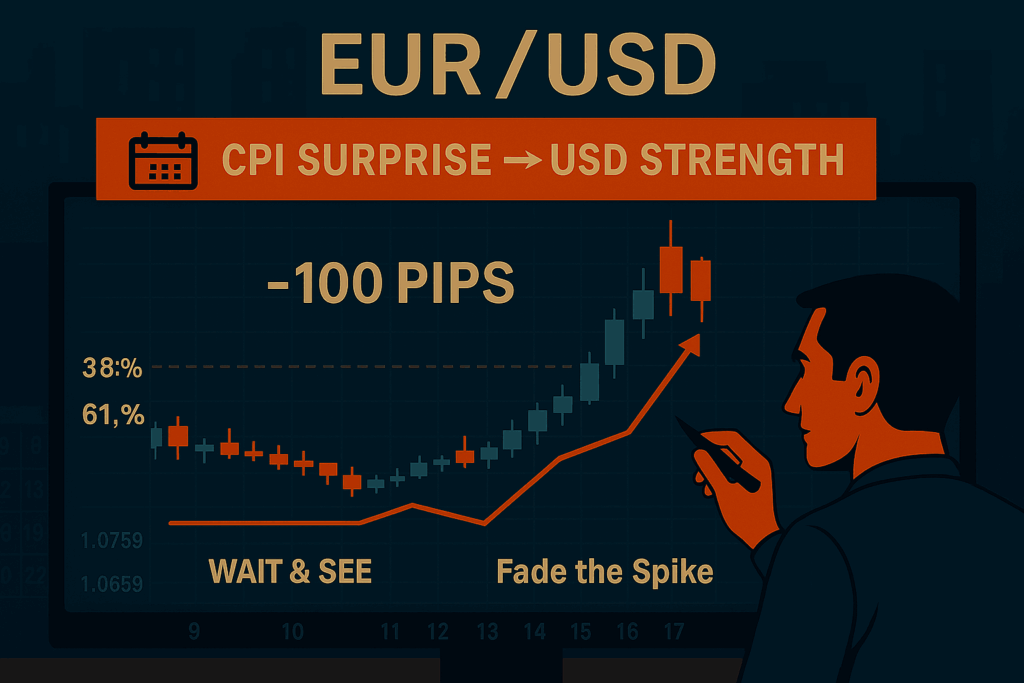
In late 2023, a surprise spike in U.S. Core CPI triggered a 100+ pip rally in EUR/USD as expectations of Fed rate cuts were instantly scaled back.
- Before: EUR/USD hovered near 1.0630, stuck in a range.
- At release: CPI came in 0.4% vs 0.2% expected → USD surged → EUR/USD dropped to 1.0520.
- Post-release: Market stabilized; traders who waited for a pullback caught a clean 60+ pip continuation.
🎯 Lesson: Patience pays the second move after the release is often the more sustainable one.
Final Thoughts
Inflation reports are some of the most explosive catalysts in the forex market. They influence interest rate policy, reshape sentiment, and trigger massive moves in major currency pairs. But while the opportunities are huge, so is the risk.
🚀 Pro Tip: Treat inflation days like NFP trade with a plan, reduce position size, and never fight the trend confirmed by strong data.
As inflation continues to drive policy decisions in 2025, mastering how to trade these reports can give you a serious edge in the forex battlefield.